
Replacing aging fitness equipment is a chance to upgrade your facility, and at Outdoor-Fit, we aim to help you create the best yard possible. Our heavy-duty correctional fitness equipment includes solutions ranging from bodyweight calisthenics equipment to cardio to adjustable-weight multigyms. To learn more about our correctional fitness equipment, you can view our products.
How to Replace Aging Correctional Fitness Equipment
Correctional facilities should replace fitness equipment when it shows rust, loss of structural integrity, constant downtime or rising maintenance costs, or no longer meets operational needs. When choosing replacements, prioritize heavy-duty, tamper-resistant correctional fitness equipment built for 12–15 hours of daily use, space-efficient multigyms that serve several users at once, and long-term value over the lowest upfront price.
When correctional facilities need new fitness equipment, they have an opportunity to significantly improve recreation areas, reduce maintenance demands, and provide inmates with safe, real exercise options. Fitness equipment not specifically designed for outdoor correctional use will wear out over time. For Wardens, Captains, and Facility Administrators, knowing when to replace equipment and what to look for ensures long-term value and use of their recreation yard.
Planning an indoor or outdoor recreation space overhaul by adding new correctional fitness equipment doesn’t have to be complicated, and these key factors can guide the decision-making process.
1. Assess Your Current Equipment: Signs It’s Time to Replace
As fitness equipment ages, it can rust, lose structural integrity, and no longer meet the facility’s operational needs. If your equipment is experiencing any of these, it’s likely time for an upgrade. Equipment with these issues causes constant downtime and rising maintenance costs. Getting ahead of things and looking for new correctional fitness equipment before your current equipment wears out is a great way to keep the recreation yard in use and keep facility operations running smoothly.
2. Prioritize Durable, Low Maintenance Correctional Fitness Equipment
Now that you’ve decided it’s time for new equipment, focus on durability and low maintenance. Correctional fitness equipment must withstand heavy use and require little to no maintenance so staff can focus on their core responsibilities rather than constantly repairing equipment.
When evaluating options, consider the materials used, whether the equipment is weatherproof, and the manufacturer's warranty. At Outdoor-Fit, we build all our equipment from heavy-duty steel and aluminum, make it fully tamperproof, and back it with a 25-year warranty that covers all climates.
3. Maximize Recreation Space and User Capacity
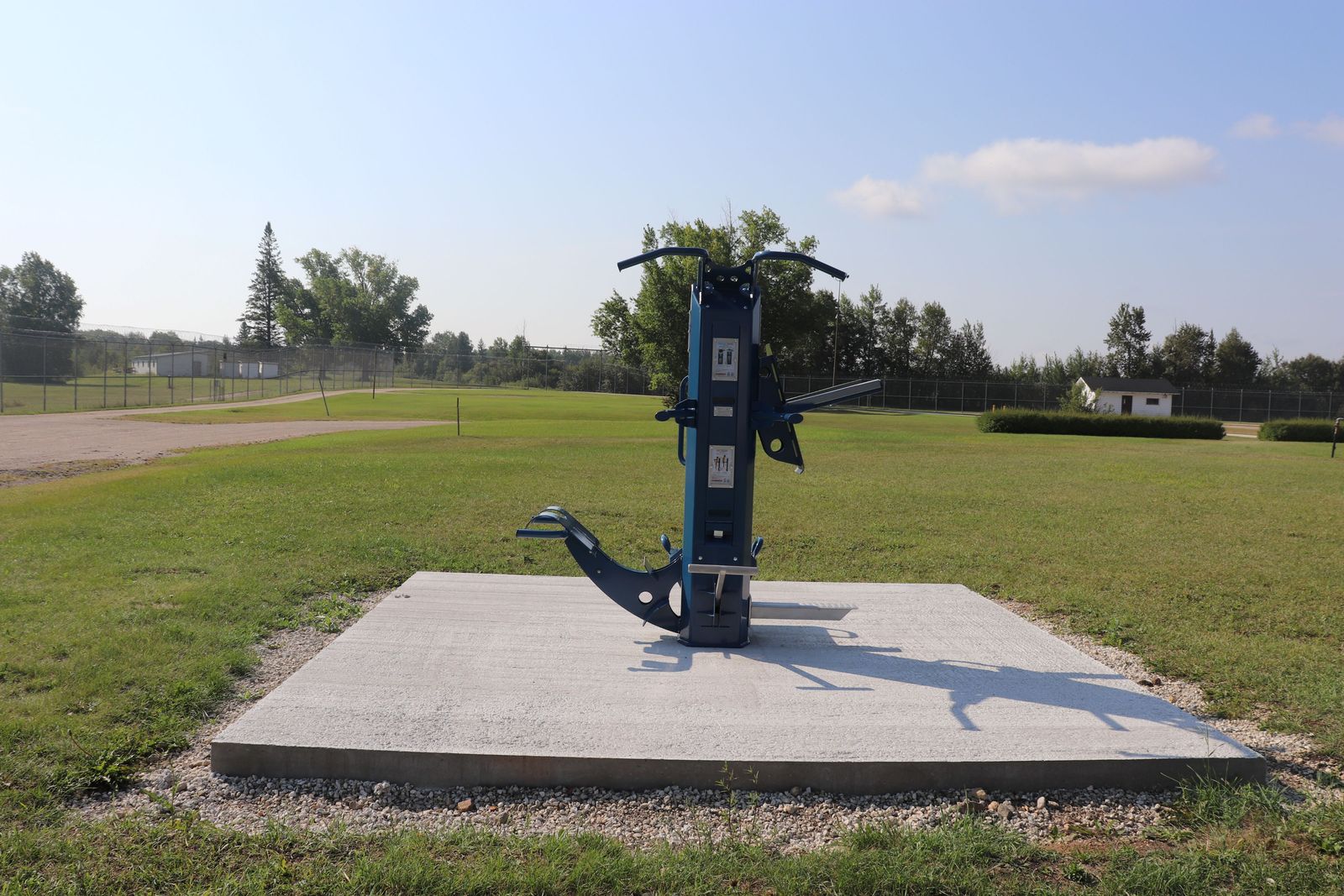
Many correctional facilities, especially smaller county jails, have limited recreation space. Rather than replacing old equipment with a new version of the same model, administrators should evaluate which equipment best supports user capacity while offering the most accessible variety of exercises.
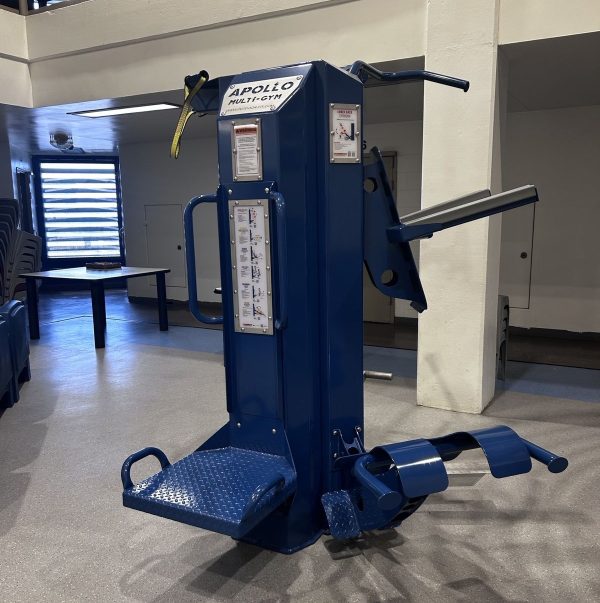
Our multigyms, such as the Apollo, Atlas, and Helios, support multiple users simultaneously in compact areas and offer adjustable weight training so every inmate can exercise and stay busy, regardless of fitness level.
4. Evaluate Long-Term Value
The age-old saying “you get what you pay for” holds true for many things, including correctional fitness equipment. Choosing equipment only because it has the lowest price tag means it will likely need constant repairs, and you’ll find yourself needing to replace it again in what feels like no time. Correctional fitness equipment should be long-lasting and able to withstand heavy outdoor use without constant checks and repairs. To create the best recreation yard, evaluate equipment for quality and features, not just upfront cost.
Frequently Asked Questions About Replacing Correctional Fitness Equipment
If your equipment has significant wear, requires constant maintenance, or no longer meets the facility’s needs, it is likely time to replace.
Yes! Any of our Multigyms or Cali-Singles are great options for facilities with limited rec spaces.
Start with security: tamper-resistant hardware, no exposed pinch points, and components that are enclosed or secured so they can’t be removed and repurposed. Then look for heavy-duty construction built for 12–15 hours of use a day, 365 days a year, adjustable resistance that serves every fitness level, and a clear replacement-parts plan.
Yes, when it’s designed for a secure setting. Corrections-Fit equipment is designed after indoor commercial fitness equipment, with moving components enclosed or secured and no exposed pinch points, so users get real resistance training without creating contraband risk.
Yes. Units can be installed in dayrooms, indoor gyms or outdoor recreation yards. All units anchor to structurally sound concrete, generally at least 6" thick. Anchors are specified by a local anchoring specialist, and tamper-resistant anchor hardware is available.
Multigyms and larger units require a minimum of two installers. A full tools list is provided in advance so security can pre-clear every item, and installers follow the facility’s tool-control and escort protocols. Corrections-Fit doesn’t typically install, but can connect you with trusted installation partners, and on-site support is available on request.
Plan for weekly visual checks and full inspections a couple of times a year; checklists and guides are provided at the time of sale. Cables and pulleys are wearable parts, so high-use sites should expect to replace them up to a few times a year