
Rehabilitation Through Recreation: How Exercise Transforms Correctional Facilities
Recreation has always played a role in correctional environments, but today it is recognized as one of the most influential tools in inmate rehabilitation, mental well-being, and facility safety.
Across Canada and the United States, correctional leaders understand that safe access to structured physical activity:
- reduces behavioural incidents
- improves inmate mental health
- supports emotional regulation
- builds discipline and routine
- improves re-entry readiness
- creates safer environments for staff
The success of any prison recreation program depends on the equipment it relies on. Poorly designed equipment introduces risk. Tamperproof, correctional-grade exercise equipment, like that manufactured by Outdoor-Fit, turns recreation into a safe, secure, impactful rehabilitation opportunity. This expanded guide explains why exercise matters, how recreation transforms correctional culture, and what equipment and planning strategies produce the best rehabilitation outcomes.
Why Recreation Is Critical to Rehabilitation in Prison
Decades of behavioural research show that structured physical activity plays a central role in inmate rehabilitation. Regular exercise reduces stress by lowering cortisol and adrenaline, hormones strongly tied to tension, aggression, and impulsive behaviour. This creates a calmer environment and improves day-to-day interactions across the facility.
Exercise also supports emotional stability. By reducing anxiety and improving overall mood regulation, inmates are better equipped to manage frustration and navigate high-stress situations without escalation.
Physical activity has measurable physiological effects as well. It helps alleviate symptoms of depression and anxiety, conditions that affect incarcerated populations at significantly higher rates than the general public.
These improvements translate directly into safer facilities. Correctional environments with structured recreation programs consistently report fewer verbal conflicts, fewer altercations, and more cooperative inmate–staff interactions.
Recreation in correctional facilities is not a luxury. It is a proven rehabilitative tool that stabilizes daily operations, enhances inmate well-being, and improves safety.
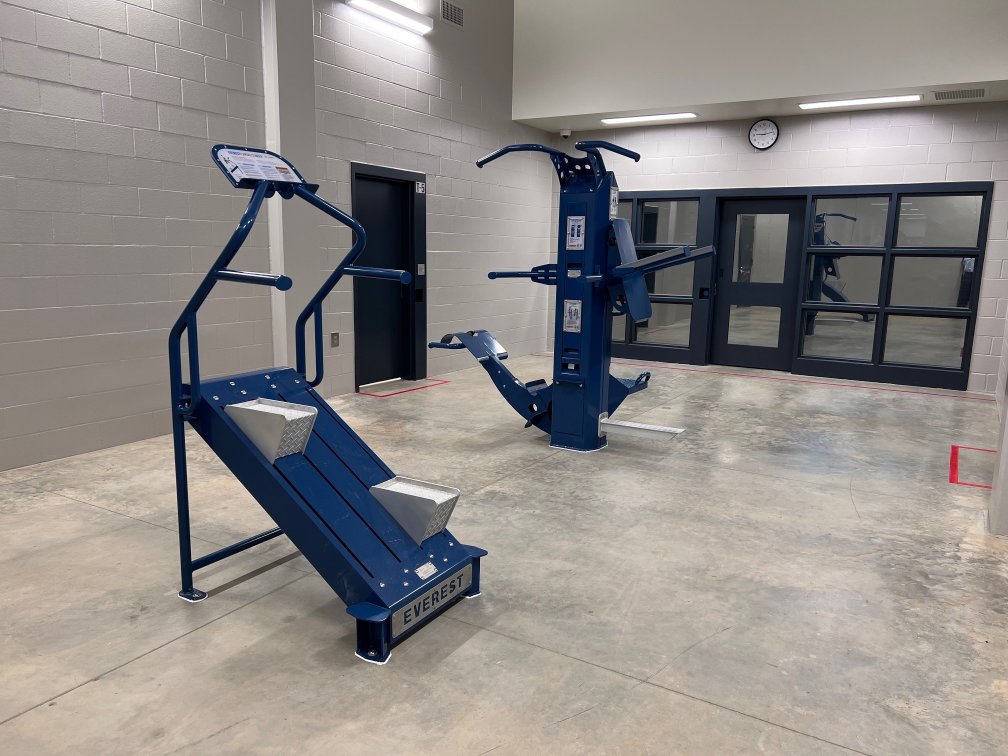
Why Tamperproof Fitness Equipment is Essential for Rehabilitation
Correctional recreation must be safe, secure, and easy to supervise. This means traditional gym equipment is not suitable.
Commercial equipment includes cables, pins, exposed fasteners and other removable components that introduce risk and are not designed for the high-volume use of correctional populations.
Outdoor-Fit solves these challenges with correctional-grade engineering:
- Heavy-gauge steel (3/16”, 3/8”, 1/8”). Criminal-justice-grade structural durability.
- Tamperproof stainless-steel Torx fasteners. No removable hardware.
- Rounded-head bolts & sealed systems. No exposed mechanisms.
- Internal locking systems. Eliminate access to moving components.
- Zinc-rich primer + UV-resistant powder coat. Exceptional longevity in harsh climates.
- Bodyweight-driven movement patterns. Biomechanically correct, safe, and reliable. This design eliminates vulnerabilities without sacrificing exercise value.
The Best Equipment for Rehabilitation Programs

Helios Multigym (4-User System)
Constructed from the highest quality materials and tested for outdoor performance, the Helios is built to withstand heavy use and perform in all climates year-round.
Benefits for rehabilitation:
- Six stations for full-body training
- Built to withstand heavy use and perform in all climates.
- Predictable movement patterns that support all fitness levels
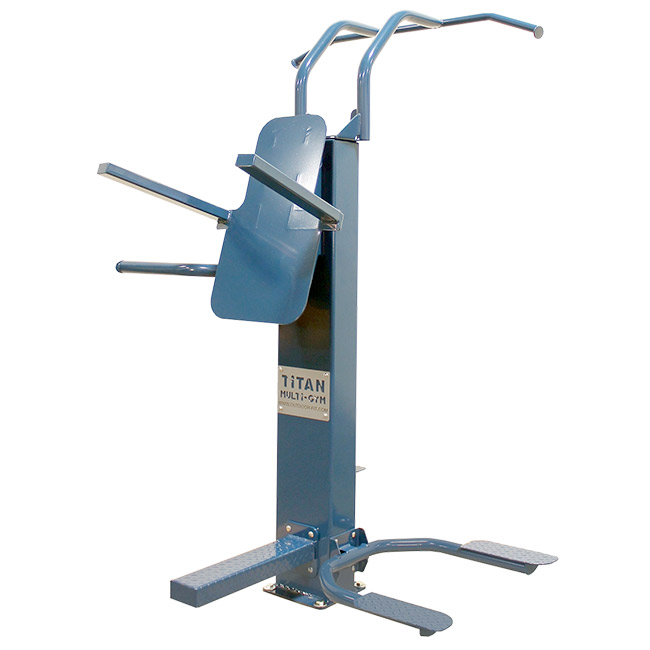
Titan Multigym (4-User Compact System)
Ideal for smaller yards, indoor rec rooms, and medium-security facilities. The Titan Multigym is engineered for durability, its robust, weatherproof, and tamperproof build ensures long-term reliability, giving you complete confidence in its performance and resilience.
Benefits for rehabilitation:
- Zero moving parts
- Efficient footprint
- Highly durable
- Accessible for beginner to advanced inmates
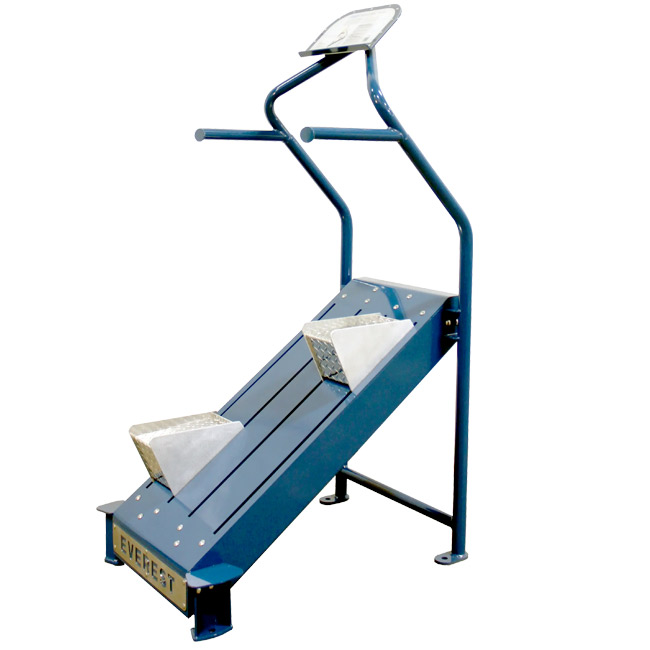
Everest Cardio Climber
The Everest Cardio Climber is a durable, low-maintenance cardio station designed for secure environments. Its climbing motion is biomechanically correct, delivering a safe and effective workout without any moving parts. Users control the intensity through their own stride length and pace, making it suitable for people of different heights and fitness levels.
Benefits for rehabilitation:
- Proven physical and psychological benefits
- Elevated heart-rate training
- Metabolic conditioning
- Low-impact climbing
How to Build a Safe, Effective Rehabilitation Program
Successful programs share four characteristics:
1. Correctional-Grade Layout Planning. Open visibility, controlled access points, and correct spacing improve safety and supervision.
2. Multi-User, Compact Equipment. 5-user and 3-user stations reduce congestion and increase access.
3. Structured Fitness Programming. Inmates benefit most when routines are clear, consistent, easy to follow, supervised or semi-supervised.
4. Predictable Maintenance Schedules. At Outdoor-Fit, we provide maintenance checklists, installation guides, long-term support and technical specifications. This ensures equipment remains reliable and safe.
FAQ: Rehabilitation, Recreation & Prison Fitness
1. Do prisons have gyms for inmates?
Yes. Most medium- and high-volume correctional facilities across North America provide dedicated recreation areas either indoors, outdoors, or both to support inmate health, safety, and rehabilitation goals. Outdoor yards are common because they allow for strong line-of-sight supervision, natural ventilation, and simplified movement control. Indoor fitness rooms are also used, particularly in northern climates or higher-security settings where outdoor access may be limited. Whether indoors or outdoors, these spaces are structured environments designed to promote healthy routines, reduce stress, and support behavioural stability. Modern facilities increasingly recognize that safe, structured physical activity is not just a privilege. It is an essential component of effective rehabilitation and daily facility management.
2. Why is exercise important in prison?
Exercise in correctional settings plays a transformative role in health, behaviour, and emotional stability. Regular physical activity has been shown to reduce stress hormones like cortisol and adrenaline, lowering the likelihood of aggressive or impulsive behaviour. Exercise also improves mental health, helping inmates manage anxiety, depression, trauma, and tension – conditions disproportionately present in correctional populations. Physically active inmates demonstrate better mood regulation, improved communication, greater resilience, and stronger self-discipline. These benefits carry over into daily interactions, contributing to safer environments for both inmates and staff. Fitness also supports re-entry readiness by fostering routines, personal accountability, and healthier lifestyle habits that reduce the risk of recidivism.
3. What gym equipment do prisons use for rehabilitation?
Correctional facilities use tamperproof, heavy-duty, bodyweight-driven fitness equipment specifically engineered for secure environments. Common rehabilitation equipment includes multi-user systems such as the Atlas, Spartan, Vulcan, and Titan Multigyms, as well as modular stations from the Cali-Line series — all engineered with hardened, enclosed, tamperproof components to ensure cables, plates, and other moving parts are secure and appropriate for correctional environments.
Facilities also incorporate secure cardio stations like the Everest Cardio Climber, which provides full-body, high-intensity training. Cardio equipment is especially important in federal facilities and female populations, where aerobic training is often a core part of rehabilitation.
Together, these systems offer real, functional exercise value while maintaining the strict security standards required in correctional settings.
4. Why can’t prisons use standard gym equipment?
Standard commercial gym machines are not suitable for correctional environments because they contain numerous components that introduce significant safety and security risks. Traditional equipment typically includes cables, belts, pulleys, steel plates, weight stacks, removable pins, bolts, or adjustment mechanisms – all of which can be tampered with, concealed, repurposed, or weaponized. These machines also contain pinch points and exposed mechanical systems that require frequent maintenance and can fail under heavy use. Correctional facilities need equipment that is vandal-resistant, impossible to dismantle, and safe for unsupervised or semi-supervised use, which is why secure, bodyweight-driven, tamperproof systems are the industry standard across North America.
5. What equipment supports rehabilitation best?
The best equipment for inmate rehabilitation combines safety, durability, and real exercise value. Multi-user, tamperproof systems are ideal because they support a wide range of exercises proven to improve strength, mobility, mental health, and overall behaviour. These systems are built to withstand high-volume inmate use, provide predictable movement patterns, and eliminate the vulnerabilities of traditional gym machines, making them the safest and most effective tools for rehabilitation.
If you’d like to dive deeper into how secure, tamperproof exercise equipment works in correctional environments, visit our FAQ page for clear, straightforward answers to the questions facility administrators ask most often.
Connect with our experts to talk through equipment options, layout planning, or the best solutions for your facility.